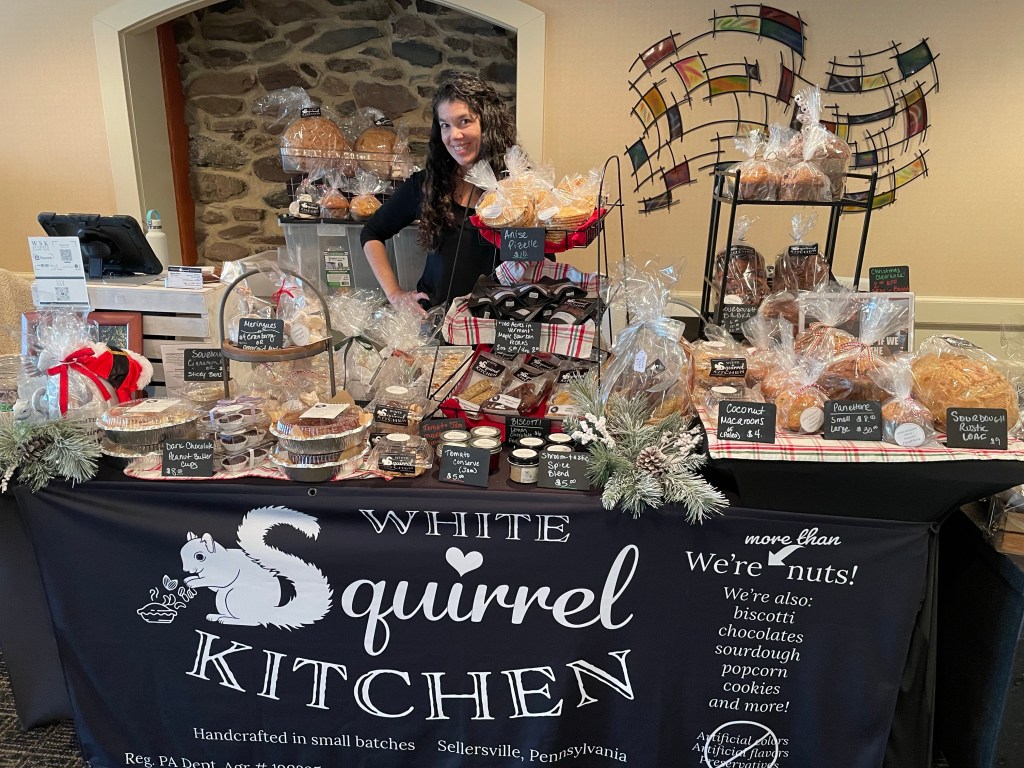
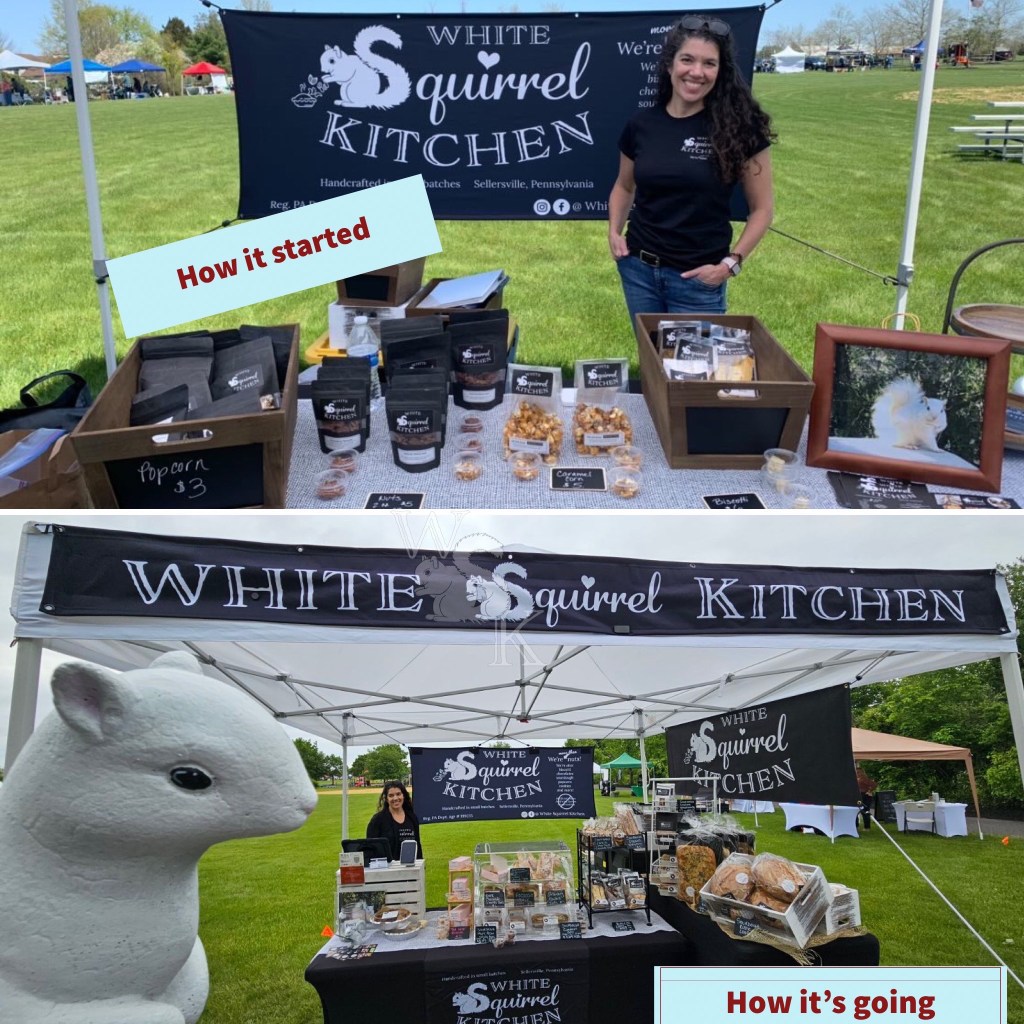
After a year of markets – some thoughts. Brain dump commencing:
If you’re a fan of fresh baked goods, you know that they can be expensive. But did you know that baked goods from small businesses which use high quality (and organic) ingredients can be even more expensive? Of course you know this! But do you know why? Welp, grab a sourdough croissant made with grass-fed butter, have a seat and read on – Number 4 will shock you!
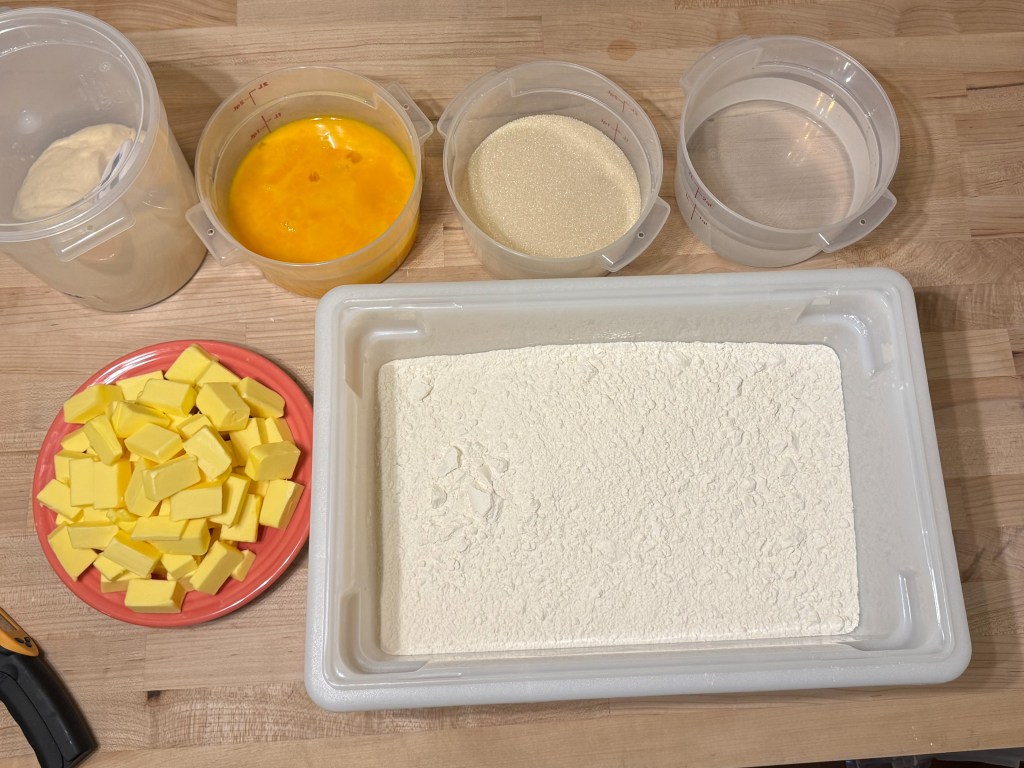
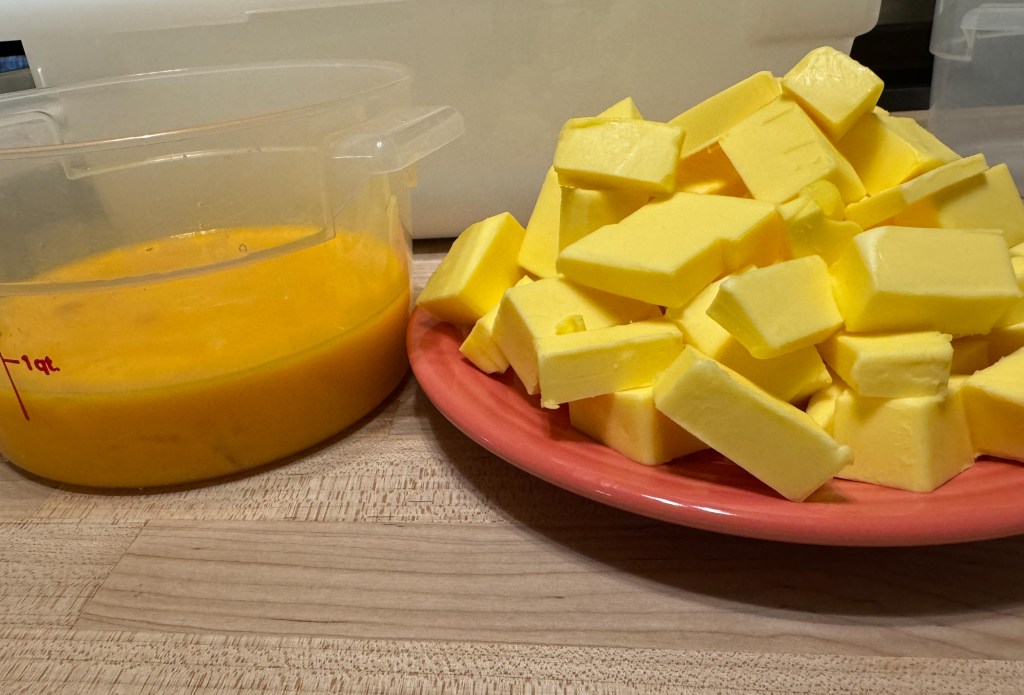
1. Organic ingredients are more expensive than conventional ingredients. This is because organic farmers have to follow stricter regulations and they often have to pay higher prices for land and labor. These costs are passed on to the customer in the form of higher prices. (In this case, the baker is the customer, and unfortunately – we have to pass the higher price we pay, to OUR customers)
2. Small food businesses have to produce smaller batches of baked goods than larger businesses. This is because we don’t have the same “economies of scale”. As a result, we have to charge more per unit to make a profit (and let’s face it, if we don’t make a profit, we will go out of business, and fast).
Here’s a – not so brief – explanation of “economies of scale”:
Economies of scale is a situation in which a company’s average costs of production fall as it increases the scale of its output. This can happen for a number of reasons, such as:
- Specialization: As a company gets bigger, it can specialize its workers and machines in specific tasks. This can lead to increased efficiency and lower costs.
- Equipment and technology: Larger companies can afford to purchase more advanced equipment and technology, which can also lead to increased efficiency and lower costs.
- Economies of scope: Larger companies can often produce a wider range of products at a lower cost than smaller companies. This is because they can spread the fixed costs of production over a larger number of products.
Economies of scale can be a major advantage for large companies. It can allow them to produce goods and services at a lower cost than smaller companies, which can give them a competitive advantage. However, economies of scale are not always possible. In some cases, the costs of increasing production may outweigh the benefits. Additionally, economies of scale can be limited by factors such as the availability of resources and the level of competition.
3. In addition to equipment and cost of goods (ingredients, packaging, labels, boxes), small cottage food businesses have to pay for insurance, licensing fees, vendor fees (these markets aren’t free to us!), tent, weights for booth setups, website fees and credit card transaction fees.

4. Efficient use of our time can also be a struggle. Some of us are one or two person operations who wear many hats and have to juggle between making/marketing/packaging/selling/customer relations/IT support (you get the picture). And some of us (yes, me) have a full time job as well! (Narrator: This is probably not a shock as was promised earlier, but the internet seems to like shock and outrage. If you can’t beat ‘em, join ‘em)
5. We have less access to resources, such as wholesale discounts and bulk purchasing. Not to mention constraints such as storage space.

6. We have to balance making sure we bring enough food to cover the expenses for all of the above while assuming the risk of making too much and not selling all of it, thereby wasting valuable resources like food and time.
Despite these challenges, many small food businesses choose to use high quality and/or organic ingredients, because we believe it is the right thing to do for our customers and the environment. We also believe that using higher quality ingredients results in a better-tasting product. Personally, I love to feed people – there’s nothing like the feeling of watching someone enjoy food you painstakingly prepared. I also choose to use compostable packaging as much as possible – without sacrificing freshness, which is a challenge in and of itself (special labels, making sure the entire package is HOME COMPOSTABLE rather than just industrial, because who actually follows through with that? Kudos if you do!)
So, if you’re looking for bargain baked goods, you’re probably better off going to a large grocery store. But if you’re willing to pay a little more, you can support a small business and enjoy the taste of fresh, high quality ingredients made with love, and human hands :-).
Our main goal with this post is to educate and explain why our prices are higher than grocery stores or other bakery products. We also want to encourage you to talk to us if you have thoughts or questions about what we do (I mean, within reason – we will never go with artificial color, flavor, or anything that goes against our food philosophy). We listen to every comment – positive or negative – we are always trying to evolve how/why/what we do, to be better, for you, for us, and for the community. Thanks for listening! We appreciate you!
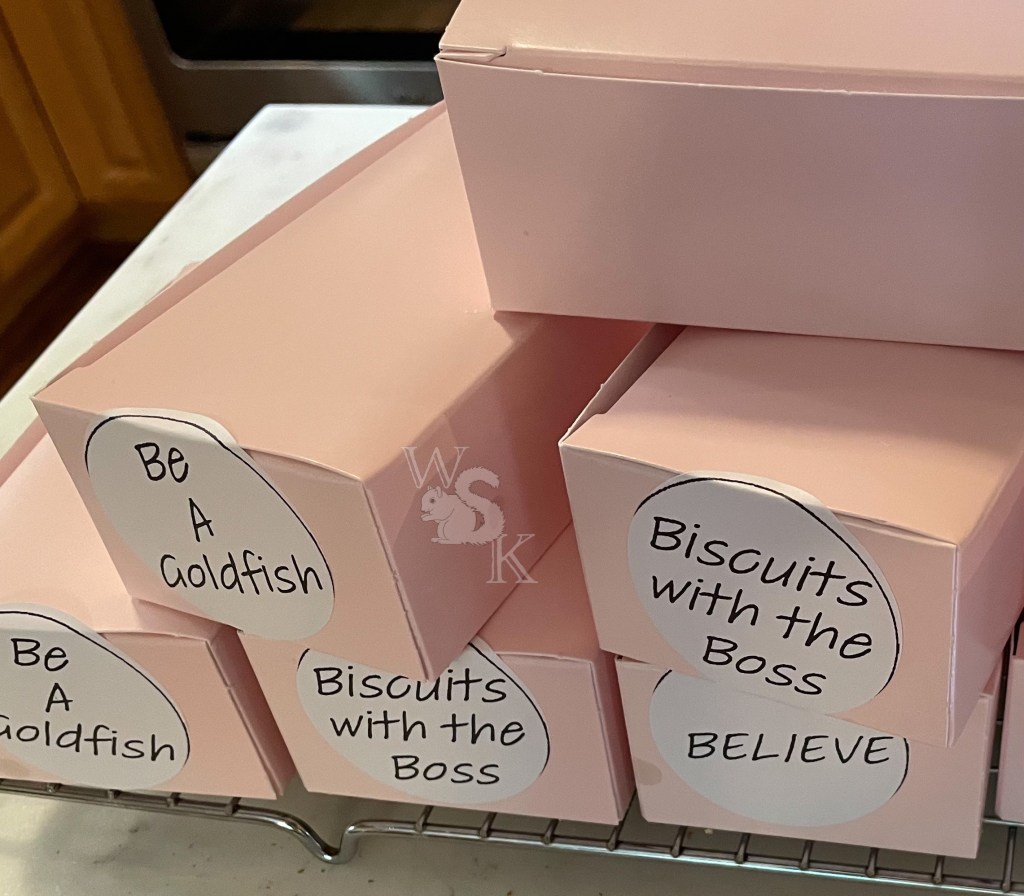
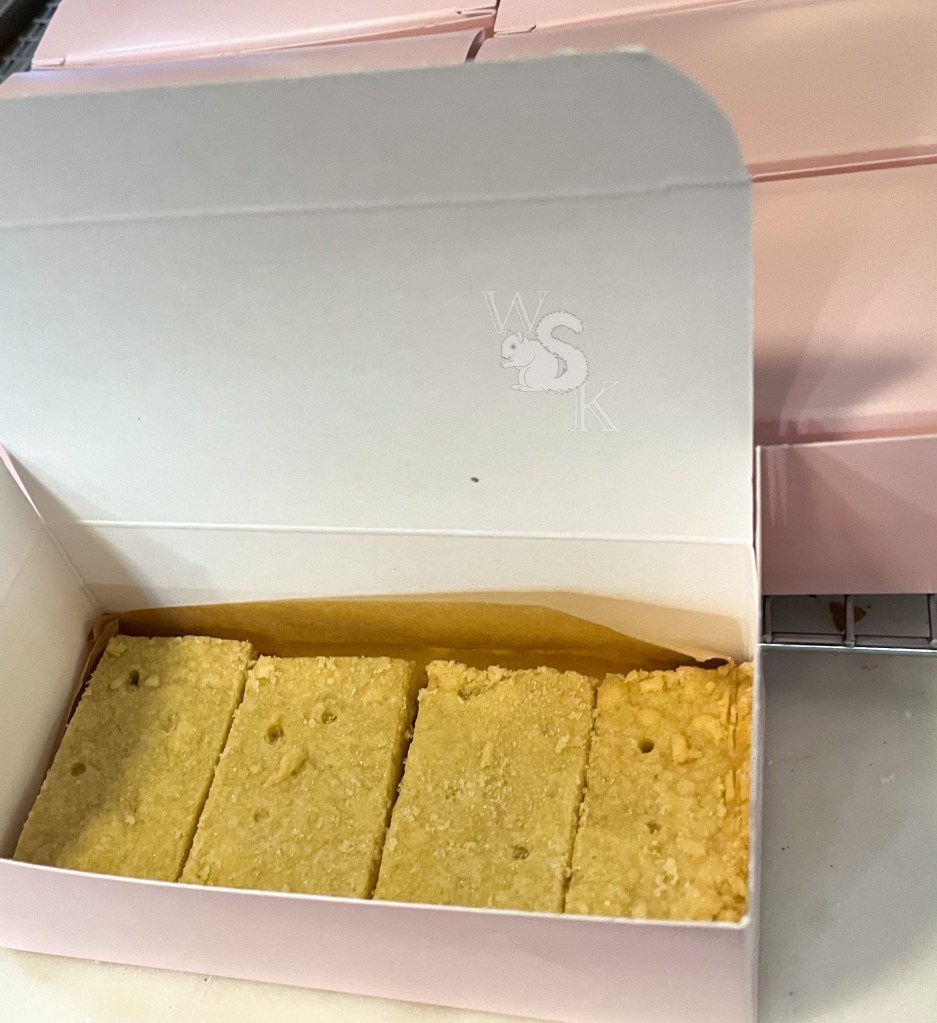
I don’t normally stray from my strictly black & white branding. This was an exception to the rule!